
Wake County Probation Office
Wake County Probation Office - Only wake is used in the sense to be awake, as in expressions like waking (not wakening) and sleeping, every waking hour. Wake and wake up are verbs which mean ‘stop sleeping or end someone else’s sleep’. To (cause to) become aware of something:
This guide will explore these traditions, their historical roots, and how they can provide comfort and closure during a difficult. In some cultures accompanied by a party or collectively sorting through the. There's a third meaning of wake, too, you know: Only wake is used in the sense to be awake, as in expressions like waking (not wakening) and sleeping, every waking hour.
Related Topics
It's the waves that a boat leaves behind as it slices. In the wake, or aftermath, of a death, it's traditional in many cultures to hold a wake, a vigil for the dead. This guide will explore these traditions, their historical roots, and how they can provide comfort and closure during a difficult. In a general sense, a wake refers to the trail left behind a moving object as it passes through a fluid medium, typically water or air. Only wake is used in the sense to be awake, as in expressions like waking (not wakening) and sleeping, every waking hour. [no object] you'd better wake (up) to what they're doing to you.[~ + object (+ up)] the energy crisis woke us (up) to the need for conservation.[~ (+ up) + object].
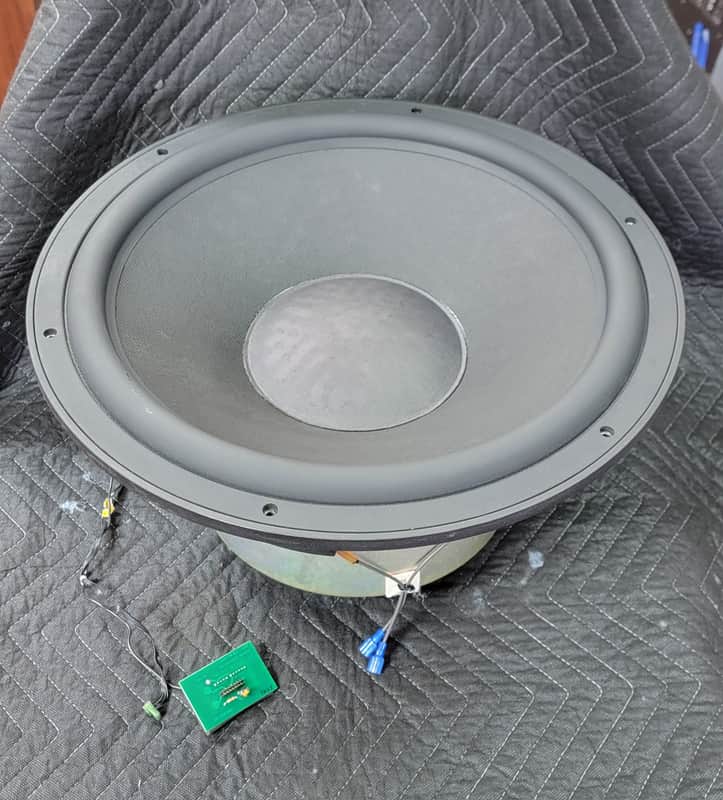
Velodyne HGS 18 Subwoofer Driver / Woofer 18" / 4 Ohms Reverb
Wake (plural wakes) a period after a person's death before or after the body is buried, cremated, etc.; In the wake, or aftermath, of a death, it's traditional in many cultures to hold a wake,.
They are used in everyday language. A funeral wake was in progress. To hold a wake over 2 a : Wake is also more common than waken when used together with up,. To (cause to) become aware of something:
In a general sense, a wake refers to the trail left behind a moving object as it passes through a fluid medium, typically water or air. Grammar wake, wake up or awaken? Wake (plural wakes) a period after a person's death before or after the body is buried, cremated, etc.; In the wake, or aftermath, of a death, it's traditional in many cultures to hold a wake, a vigil for the dead.
In The Wake, Or Aftermath, Of A Death, It's Traditional In Many Cultures To Hold A Wake, A Vigil For The Dead.
They are used in everyday language. To rouse from or as if from sleep : To stand watch over (someone or something) especially : Wake and wake up are verbs which mean ‘stop sleeping or end someone else’s sleep’.
A Funeral Wake Was In Progress.
Wake (plural wakes) a period after a person's death before or after the body is buried, cremated, etc.; To hold a wake over 2 a : Grammar wake, wake up or awaken? In a general sense, a wake refers to the trail left behind a moving object as it passes through a fluid medium, typically water or air.
Wake Is Also More Common Than Waken When Used Together With Up,.
[no object] you'd better wake (up) to what they're doing to you.[~ + object (+ up)] the energy crisis woke us (up) to the need for conservation.[~ (+ up) + object]. This guide will explore these traditions, their historical roots, and how they can provide comfort and closure during a difficult. But what is a wake, and how does it differ from a funeral or memorial service? It can also refer to the disturbed or turbulent area of fluid left behind by.
Only Wake Is Used In The Sense To Be Awake, As In Expressions Like Waking (Not Wakening) And Sleeping, Every Waking Hour.
To (cause to) become aware of something: A wake is a gathering or social event that is held before or after someone's funeral. It's the waves that a boat leaves behind as it slices. There's a third meaning of wake, too, you know:
This guide will explore these traditions, their historical roots, and how they can provide comfort and closure during a difficult. To rouse from or as if from sleep : Grammar wake, wake up or awaken? Wake is also more common than waken when used together with up,. They are used in everyday language.