
Ansible Template Module
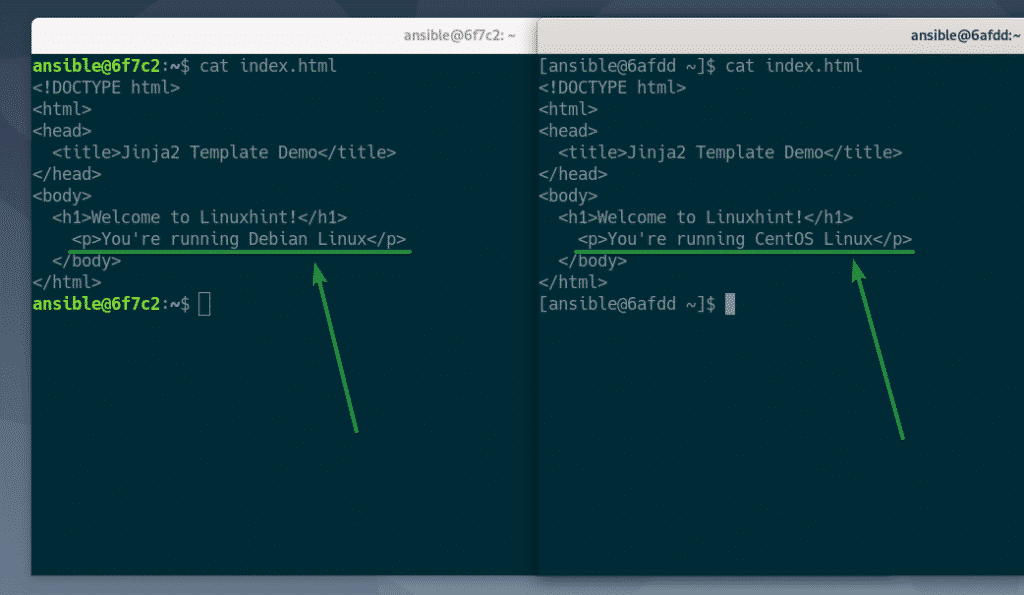
Ansible Template Module - To use ansible templates, you need to use the template module in the playbook. By combining templates with variables and logic, you take your automation to the next level. It’s similar to the copy module, which transfers files to local or remote hosts.
The template module is how ansible generates files dynamically on your servers. This will pass different mytemplatevariable values into test.j2. Ansible’s template module transfers templated files to remote hosts. By combining templates with variables and logic, you take your automation to the next level.
Related Topics
Indented like the rest of the template arguments (like src:). Documentation on the template formatting can be found in the template designer documentation. It’s similar to the copy module, which transfers files to local or remote hosts. Initially i made a mistake and had vars: It works similarly to the copy module, but with 2 major differences: You need a templates folder where all template files will be stored.
How to Use Ansible Template Module Linux Hint
You can use templating with the template module. You need a templates folder where all template files will be stored. Additional variables listed below can be used in templates. Ansible’s template module transfers templated files.
How to Use Ansible Template Module
In most cases, you can use the short module name template even without specifying the collections keyword. It works similarly to the copy module, but with 2 major differences: By combining templates with variables and.
How to Use Ansible Template Module
Additional variables listed below can be used in templates. Templates are processed by the jinja2 templating language. Initially i made a mistake and had vars: Given the following file structure: It works similarly to the.
How to Use Ansible Template Module Linux Hint
Simply put, at runtime ansible template module updates the jinja2 interpolation syntax variables with actual values and copy the template file to the remote server with the specified name. Initially i made a mistake and.
How to Use Ansible Template Module Linux Hint
Given the following file structure: Ansible template modules leverage jinja2 as a template engine for python to inject dynamic content into configuration files, allowing you to build custom or complicated configurations using variables, loops, and.
Ansible Template module Examples Jinja2 Templates Devops Junction
Indented like the rest of the template arguments (like src:). To use ansible templates, you need to use the template module in the playbook. You need a templates folder where all template files will be.
How to Use Ansible Template Module Linux Hint
Initially i made a mistake and had vars: Additional variables listed below can be used in templates. Ansible’s template module transfers templated files to remote hosts. With ansible 2.x you can use vars: To use.
Given the following file structure: This will pass different mytemplatevariable values into test.j2. Templates are processed by the jinja2 templating language. Ansible template modules leverage jinja2 as a template engine for python to inject dynamic content into configuration files, allowing you to build custom or complicated configurations using variables, loops, and conditionals directly from your templates. Ansible’s template module transfers templated files to remote hosts.
With ansible 2.x you can use vars: You can use templating with the template module. Additional variables listed below can be used in templates. It’s similar to the copy module, which transfers files to local or remote hosts.
You Can Use Templating With The Template Module.
By combining templates with variables and logic, you take your automation to the next level. Given the following file structure: Ansible template module helps to template a file out to a remote server. In most cases, you can use the short module name template even without specifying the collections keyword.
Ansible Template Modules Leverage Jinja2 As A Template Engine For Python To Inject Dynamic Content Into Configuration Files, Allowing You To Build Custom Or Complicated Configurations Using Variables, Loops, And Conditionals Directly From Your Templates.
Templates are processed by the jinja2 templating language. This will pass different mytemplatevariable values into test.j2. Ansible’s template module transfers templated files to remote hosts. The template module is how ansible generates files dynamically on your servers.
To Use Ansible Templates, You Need To Use The Template Module In The Playbook.
Simply put, at runtime ansible template module updates the jinja2 interpolation syntax variables with actual values and copy the template file to the remote server with the specified name. You need a templates folder where all template files will be stored. One of ansible’s most versatile features is its template module, which allows you to dynamically generate files from templates, adapting to different environments and configurations seamlessly. It works similarly to the copy module, but with 2 major differences:
It’s Similar To The Copy Module, Which Transfers Files To Local Or Remote Hosts.
Initially i made a mistake and had vars: With ansible 2.x you can use vars: Documentation on the template formatting can be found in the template designer documentation. Ansible uses jinja2 templating to enable dynamic expressions and access to variables and facts.
Additional variables listed below can be used in templates. Initially i made a mistake and had vars: One of ansible’s most versatile features is its template module, which allows you to dynamically generate files from templates, adapting to different environments and configurations seamlessly. In most cases, you can use the short module name template even without specifying the collections keyword. Ansible template modules leverage jinja2 as a template engine for python to inject dynamic content into configuration files, allowing you to build custom or complicated configurations using variables, loops, and conditionals directly from your templates.