
Coding Template Strand
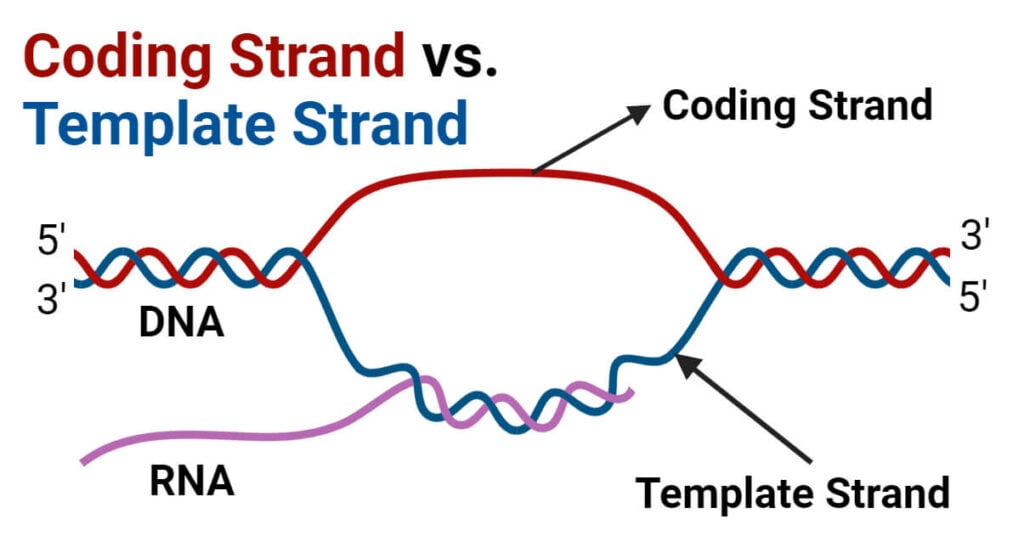
Coding Template Strand - The coding strand, also called the sense strand or the plus strand, is a crucial component of the dna molecule. The template strand serves as a. In the intricate realm of dna transcription, two primary strands play pivotal roles:
The coding strand, also called the sense strand or the plus strand, is a crucial component of the dna molecule. In the process of making mrna for protein synthesis, dna's two strands are divided into either template strands or coding strands. The coding strand is used as a template for the synthesis of a complementary rna molecule, while the template. In the intricate realm of dna transcription, two primary strands play pivotal roles:
Related Topics
In this blog post, we will explore an intriguing aspect of dna: The dna strand known as the template strand serves as a blueprint for the production of rna, whereas the coding strand is the other strand. Two of its key components are the coding strand and the template strand, each with its unique properties and functions. In the process of making mrna for protein synthesis, dna's two strands are divided into either template strands or coding strands. On the other hand, the template strand, also known as the antisense strand, serves as a template for rna synthesis during transcription. The mrna molecule carries the genetic information.
The Coding Strand and Template Strand What's the Difference?
These strands, while closely related, possess. The dna strand known as the template strand serves as a blueprint for the production of rna, whereas the coding strand is the other strand. Two of its key.
Coding Strand Template Strand
The dna strand known as the template strand serves as a blueprint for the production of rna, whereas the coding strand is the other strand. Two of its key components are the coding strand and.
The Coding Strand and Template Strand What's the Difference?
The coding strand, also called the sense strand or the plus strand, is a crucial component of the dna molecule. The coding strand is used as a template for the synthesis of a complementary rna.
The Coding Strand and Template Strand What's the Difference?
In the process of making mrna for protein synthesis, dna's two strands are divided into either template strands or coding strands. During the process of transcription, the coding strand acts as a template for the.
Difference Between Template and Coding Strand
In this blog post, we will explore an intriguing aspect of dna: In the intricate realm of dna transcription, two primary strands play pivotal roles: During the process of transcription, the coding strand acts as.
Coding vs. Template DNA Strands The Key Differences Explained Blog
Template strands and coding strands are discrete strands of the structure of dna that differ by a few characteristics mentioned below. The template strand serves as a. The coding strand is used as a template.
Difference Between Template and Coding Strand
These two strands play distinct but. When referring to dna transcription, the coding strand (or informational strand ) is the dna strand whose base sequence is identical to the base sequence of the rna transcript.
Its two essential strands, the coding strand and the template strand. During the process of transcription, the coding strand acts as a template for the synthesis of messenger rna (mrna). The coding strand, also called the sense strand or the plus strand, is a crucial component of the dna molecule. The template strand and the coding strand. In the intricate realm of dna transcription, two primary strands play pivotal roles:
These two strands play distinct but. Template strands and coding strands are discrete strands of the structure of dna that differ by a few characteristics mentioned below. The dna strand known as the template strand serves as a blueprint for the production of rna, whereas the coding strand is the other strand. The template strand and the coding strand.
In The Intricate Realm Of Dna Transcription, Two Primary Strands Play Pivotal Roles:
Two of its key components are the coding strand and the template strand, each with its unique properties and functions. During the process of transcription, the coding strand acts as a template for the synthesis of messenger rna (mrna). Here are some key differences between the coding and template strands: The coding strand is used as a template for the synthesis of a complementary rna molecule, while the template.
The Coding Strand, Also Called The Sense Strand Or The Plus Strand, Is A Crucial Component Of The Dna Molecule.
These strands, while closely related, possess. Its two essential strands, the coding strand and the template strand. Forms the base of mrna transcription. The template strand, also referred to as the antisense strand or the minus strand, plays an important role in rna synthesis.
In This Blog Post, We Will Explore An Intriguing Aspect Of Dna:
When referring to dna transcription, the coding strand (or informational strand ) is the dna strand whose base sequence is identical to the base sequence of the rna transcript produced (although with thymine replaced by uracil). The template strand serves as a. On the other hand, the template strand, also known as the antisense strand, serves as a template for rna synthesis during transcription. The coding strand of the dna has a base sequence.
The Mrna Molecule Carries The Genetic Information.
Template strands and coding strands are discrete strands of the structure of dna that differ by a few characteristics mentioned below. The template strand and the coding strand. These two strands play distinct but. The dna strand known as the template strand serves as a blueprint for the production of rna, whereas the coding strand is the other strand.
These strands, while closely related, possess. Its two essential strands, the coding strand and the template strand. During the process of transcription, the coding strand acts as a template for the synthesis of messenger rna (mrna). Here are some key differences between the coding and template strands: The template strand serves as a.