
Dna Coding Strand To Dna Template Strand
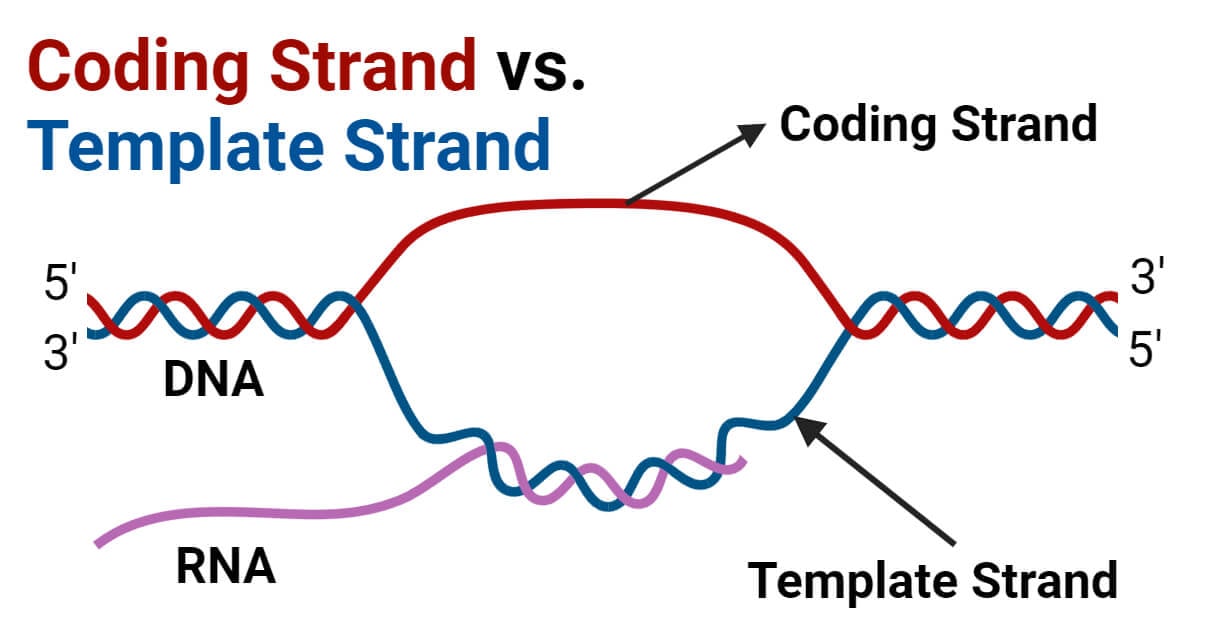
Dna Coding Strand To Dna Template Strand - This template strand walks in the direction of 3’ to 5’ end. When it comes to understanding the intricacies of dna and rna, two important concepts to grasp are the coding strand and the template. The coding strand, also called the sense strand or the plus strand, is a crucial component of the dna molecule.
The coding strand has the same sequence as the rna transcript and acts as. The coding strand, also called the sense strand or the plus strand, is a crucial component of the dna molecule. The template strand and the coding strand are the two known strands. Generally, dna consists of two complementary strands, the coding strand and the template strand.
Related Topics
When it comes to understanding the intricacies of dna and rna, two important concepts to grasp are the coding strand and the template. The coding strand, also called the sense strand or the plus strand, is a crucial component of the dna molecule. The template strand's sequence is complementary. One of the fundamental concepts in. These terms are often used in the context of. The template strand, also referred to as the antisense strand or the minus strand, plays an important role in rna synthesis.
Answered DNACoding Strand DNATemplate Strand… bartleby
The template strand and the coding strand are the two known strands. The coding strand provides the template for the synthesis of proteins, while. The dna strand known as the template strand serves as a.
Understanding DNA Coding Strand vs Template Strand Explained
The dna strand known as the template strand serves as a blueprint for the production of rna, whereas the coding strand is the other strand. The coding strand provides the template for the synthesis of.
Coding Strand Template Strand
This template strand walks in the direction of 3’ to 5’ end. Understanding the intricacies of dna is a fascinating journey into the building blocks of life. The dna strand known as the template strand.
Understanding DNA Coding Strand vs Template Strand Explained
The coding strand has the same sequence as the rna transcript and acts as. The template strand and the coding strand are the two known strands. The coding strand, also called the sense strand or.
DNA coding strand vs. template strand Practice Question Solving EnterMedSchool Future
The template strand, also referred to as the antisense strand or the minus strand, plays an important role in rna synthesis. This complementary strand ensures that the newly synthesized dna strand is an exact replica.
Coding Strand vs. Template Strand 6 Key Differences
During the process of transcription, one of the two strands in the double stranded dna serves as a template strand. As shown schematically above, messenger rna is synthesized complementary and antiparallel to the template strand.
[Solved] The direction of the DNA coding (information) strand, DNA template... Course Hero
In contrast, the template strand provides the sequence information that guides the. What is the difference between coding strand and template strand? The coding strand has the same sequence as the rna transcript and acts.
This complementary strand ensures that the newly synthesized dna strand is an exact replica of the original dna molecule. The coding strand, also called the sense strand or the plus strand, is a crucial component of the dna molecule. Generally, dna consists of two complementary strands, the coding strand and the template strand. One of the fundamental concepts in. These terms are often used in the context of.
These terms are often used in the context of. When it comes to understanding the intricacies of dna and rna, two important concepts to grasp are the coding strand and the template. The dna strand known as the template strand serves as a blueprint for the production of rna, whereas the coding strand is the other strand. The coding strand, also called the sense strand or the plus strand, is a crucial component of the dna molecule.
Understanding The Intricacies Of Dna Is A Fascinating Journey Into The Building Blocks Of Life.
One of the fundamental concepts in. Learn how these two complementary strands work together in dna replication and transcription, and discover the crucial role of template strands in rna synthesis. As shown schematically above, messenger rna is synthesized complementary and antiparallel to the template strand (anticodons) of dna, so the resulting mrna consists of codons. In contrast, the template strand provides the sequence information that guides the.
During The Process Of Transcription, One Of The Two Strands In The Double Stranded Dna Serves As A Template Strand.
When it comes to understanding the intricacies of dna and rna, two important concepts to grasp are the coding strand and the template. The coding strand, also called the sense strand or the plus strand, is a crucial component of the dna molecule. The template strand's sequence is complementary. The coding strand of dna is the strand that codes for the gene of interest.
The Template Strand And The Coding Strand Are The Two Known Strands.
These terms are often used in the context of. The coding and template strands are essential for the flow of genetic information from dna to rna to proteins. This complementary strand ensures that the newly synthesized dna strand is an exact replica of the original dna molecule. Generally, dna consists of two complementary strands, the coding strand and the template strand.
The Template Strand, Or Antisense Strand, Serves As The Blueprint For Rna.
The coding strand has the same sequence as the rna transcript and acts as. The dna strand known as the template strand serves as a blueprint for the production of rna, whereas the coding strand is the other strand. The template strand, also referred to as the antisense strand or the minus strand, plays an important role in rna synthesis. Rna polymerase binds to the dna coding strand and assembles the complementary mrna molecule.
The template strand and the coding strand are the two known strands. During the process of transcription, one of the two strands in the double stranded dna serves as a template strand. The template strand, or antisense strand, serves as the blueprint for rna. As shown schematically above, messenger rna is synthesized complementary and antiparallel to the template strand (anticodons) of dna, so the resulting mrna consists of codons. The coding strand provides the template for the synthesis of proteins, while.