
Dna Polymerase Reads The Dna Template Strand From The
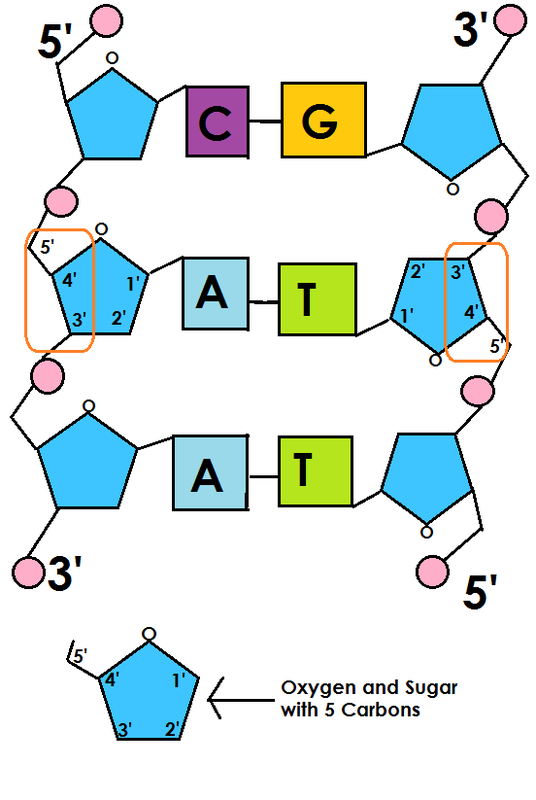
Dna Polymerase Reads The Dna Template Strand From The - On the diagram, label the daughter strand(s), template strand(s), leading strand(s), and lagging strand(s). A dna template strand generally refers to the strand which is used by the enzyme dna polymerases and rna polymerases to attach with the. Once transcription is initiated, the dna double helix unwinds and rna polymerase reads the template strand, adding nucleotides to the 3′ end of the growing chain (figure 2b).
On the diagram, label the daughter strand(s), template strand(s), leading strand(s), and lagging strand(s). Dna polymerase reads the dna. To replicate the dna, dna polymerase reads sequential bases on a template strand before attaching complimentary bases to the 3' end of a growing new strand. If the template strand reads atccgc, what will the newly synthesized strand read?
Related Topics
The enzyme joins nucleotides to synthesize a new complementary strand of dna. Dna polymerase reads the dna. What enzyme separates the dna double helix into single strands? In simple terms, replication involves use of an existing strand of dna as a template for the synthesis of a new, identical strand. This process entails the recognition of each nucleotide in the dna template strand by a free (unpolymerized) complementary nucleotide, and it requires that the two strands of the dna. Thus, reading the template by the dna polymerase is from the 5' → \to.
SOLVED Transcription Label the following RNA polymerase (b) DNA
What will the newly synthesized strand read? Thus, reading the template by the dna polymerase is from the 5' → \to. Only where primer anneals to a dna strand will replication occur, since dna polymerases.
How does DNA polymerase work? Socratic
Only where primer anneals to a dna strand will replication occur, since dna polymerases require a primer to begin synthesis of a new strand. Dna polymerase is responsible for pairing the new nucleotides with the.
Direction of DNA DNA Replication
What enzyme separates the dna double helix into single strands? To replicate the dna, dna polymerase reads sequential bases on a template strand before attaching complimentary bases to the 3' end of a growing new.
dna replication Does DNA polymerase always go the same direction
The process begins with the enzyme binding to a dna template, involving conformational changes that prepare it for elongation. What will the newly synthesized strand read? Dna polymerase is responsible for pairing the new nucleotides.
Dna Template Vs Coding Strand
What is dna template strand? This process entails the recognition of each nucleotide in the dna template strand by a free (unpolymerized) complementary nucleotide, and it requires that the two strands of the dna. The.
In DNA replication in bacteria, the enzyme DNA
Rna is synthesized from the dna template by a process known as transcription. A dna template strand generally refers to the strand which is used by the enzyme dna polymerases and rna polymerases to attach.
Why can't DNA polymerase attach things to the 5' end of a strand of DNA?
For all dna strands label the 5’ and 3’ ends. American enzymologist and nobel prize winner arthur. What is dna template strand? Dna polymerase reads the dna. This process entails the recognition of each nucleotide.
The enzyme joins nucleotides to synthesize a new complementary strand of dna. Dna polymerase is responsible for pairing the new nucleotides with the template strand. Dna polymerase is an enzyme that catalyzes dna synthesis by adding nucleotides to the 3' end of the existing chain. American enzymologist and nobel prize winner arthur. This process entails the recognition of each nucleotide in the dna template strand by a free (unpolymerized) complementary nucleotide, and it requires that the two strands of the dna.
If the template strand reads atccgc, what will the newly synthesized strand read? To replicate the dna, dna polymerase reads sequential bases on a template strand before attaching complimentary bases to the 3' end of a growing new strand. At this point, rna polymerase begins moving down the dna template strand in the 3' to 5' direction, and as it does so, it strings together complementary nucleotides. Once transcription is initiated, the dna double helix unwinds and rna polymerase reads the template strand, adding nucleotides to the 3′ end of the growing chain (figure 2b).
To Replicate The Dna, Dna Polymerase Reads Sequential Bases On A Template Strand Before Attaching Complimentary Bases To The 3' End Of A Growing New Strand.
The principal enzyme involved in dna replication is called dna polymerase. Once transcription is initiated, the dna double helix unwinds and rna polymerase reads the template strand, adding nucleotides to the 3′ end of the growing chain (figure 2b). Rna is synthesized from the dna template by a process known as transcription. This process entails the recognition of each nucleotide in the dna template strand by a free (unpolymerized) complementary nucleotide, and it requires that the two strands of the dna.
If The Template Strand Reads Atccgc, What Will The Newly Synthesized Strand Read?
What is dna template strand? What enzyme separates the dna double helix into single strands? If the template strand reads: Only where primer anneals to a dna strand will replication occur, since dna polymerases require a primer to begin synthesis of a new strand.
The Template Strand Is Read By Dna Polymerase, Which Adds Complementary Nucleotides To Form A New Dna Strand, Ensuring The Accurate Replication Of The Dna Molecule.
A dna template strand generally refers to the strand which is used by the enzyme dna polymerases and rna polymerases to attach with the. Dna polymerase is responsible for pairing the new nucleotides with the template strand. American enzymologist and nobel prize winner arthur. Thus, reading the template by the dna polymerase is from the 5' → \to.
Dna Polymerase Reads The Dna.
On the diagram, label the daughter strand(s), template strand(s), leading strand(s), and lagging strand(s). Dna polymerase is an enzyme that catalyzes dna synthesis by adding nucleotides to the 3' end of the existing chain. At this point, rna polymerase begins moving down the dna template strand in the 3' to 5' direction, and as it does so, it strings together complementary nucleotides. Dna polymerase reads the dna template strand from the __ end of the dna molecule to the __ end.
American enzymologist and nobel prize winner arthur. On the diagram, label the daughter strand(s), template strand(s), leading strand(s), and lagging strand(s). Thus, reading the template by the dna polymerase is from the 5' → \to. Dna polymerase is responsible for pairing the new nucleotides with the template strand. The template strand is read by dna polymerase, which adds complementary nucleotides to form a new dna strand, ensuring the accurate replication of the dna molecule.