
Do Mrna Read The Tempalte Or Non Template Strand
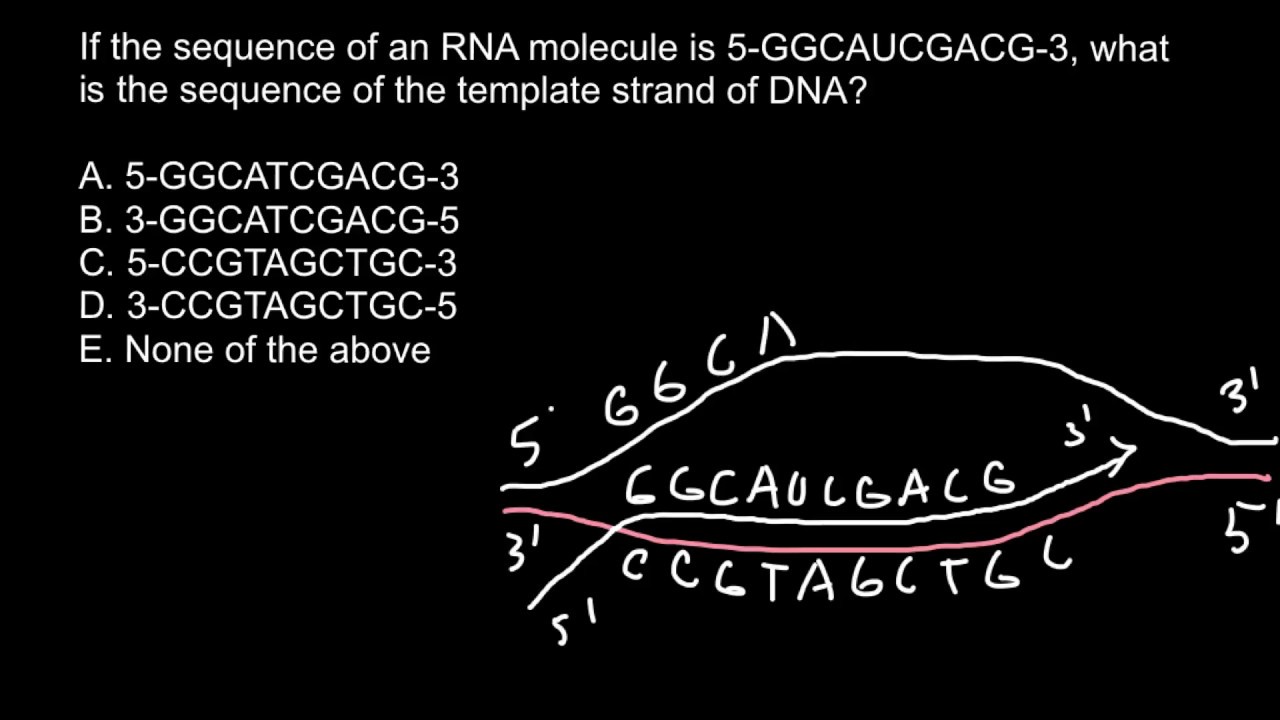
Do Mrna Read The Tempalte Or Non Template Strand - Sometimes genes overlap, and in some of those cases each strand of dna is copied, but each for a. A foundation model learns transcriptional regulatory syntax from chromatin accessibility and sequence data across a range of cell types to predict gene expression and. To remember think of it as the template for the rna polymerase to run along and.
The template strand, or antisense strand, is complementary to both the coding strand and mrna strand. This strand is complementary to the. The mrna will only attach to the template strand because that's the strand that contains the complementary code (section of dna that matches up). Since the template strand must.
Related Topics
Only one strand of the duplex dna is copied into mrna (figure 1.22). The sense (coding) strand is the strand that is identical to the synthesized rna strand (minus u instead of t for rna obviously). Its sequence is complementary to the mrna strand being synthesized. The template strand is the one that rna polymerase uses as the basis to build the rna. The template strand, also known as the noncoding strand, is the strand of dna that is used as a template by rna polymerase to synthesize rna. The opposite dna strand that is not.
Template Vs Non Template Strand
The template strand, or antisense strand, is complementary to both the coding strand and mrna strand. This strand is complementary to the. The template strand is the one that rna polymerase uses as the basis.
Mrna Template Strand
The nonsense (noncoding) strand is the template strand for. Sometimes genes overlap, and in some of those cases each strand of dna is copied, but each for a different mrna. This strand is called the.
Template And Non Template Strand Of Dna
The template strand, also known as the noncoding strand, is the strand of dna that is used as a template by rna polymerase to synthesize rna. Sometimes genes overlap, and in some of those cases.
Template And Non Template Strand Of Dna
The strand of dna that reads the same as the. The template strand is the one that rna polymerase uses as the basis to build the rna. A foundation model learns transcriptional regulatory syntax from.
Template And Nontemplate Strand prntbl.concejomunicipaldechinu.gov.co
Only one strand of the duplex dna is copied into mrna (figure 1.22). Sometimes genes overlap, and in some of those cases each strand of dna is copied, but each for a. Sometimes genes overlap,.
Template Vs Nontemplate Strand
In transcription an mrna chain is generated, with one strand of the dna double helix in the genome as a template. Sometimes genes overlap, and in some of those cases each strand of dna is.
Dna Template Strand 3 To 5
The sense (coding) strand is the strand that is identical to the synthesized rna strand (minus u instead of t for rna obviously). The opposite dna strand that is not. To visualize, imagine your coding.
This strand is complementary to the. To visualize, imagine your coding strand reads agcaatc. The sense (coding) strand is the strand that is identical to the synthesized rna strand (minus u instead of t for rna obviously). Its sequence is complementary to the mrna strand being synthesized. Rna polymerase builds the mrna transcript using the template strand.
The template strand is the one that rna polymerase uses as the basis to build the rna. Its sequence is complementary to the mrna strand being synthesized. This strand is complementary to the. To visualize, imagine your coding strand reads agcaatc.
So If The Mrna Starts Auga It Will.
Rna polymerase builds the mrna transcript using the template strand. To visualize, imagine your coding strand reads agcaatc. The nonsense (noncoding) strand is the template strand for. This strand is complementary to the.
The Sense (Coding) Strand Is The Strand That Is Identical To The Synthesized Rna Strand (Minus U Instead Of T For Rna Obviously).
Since the template strand must. Sometimes genes overlap, and in some of those cases each strand of dna is copied, but each for a. This strand is called the template strand. Only one strand of the duplex dna is copied into mrna (figure 1.22).
The Template Strand, Or Antisense Strand, Is Complementary To Both The Coding Strand And Mrna Strand.
In transcription, the strand of dna that is used to synthesize mrna is known as the template strand. Sometimes genes overlap, and in some of those cases each strand of dna is copied, but each for a different mrna. In transcription an mrna chain is generated, with one strand of the dna double helix in the genome as a template. The template strand, also known as the noncoding strand, is the strand of dna that is used as a template by rna polymerase to synthesize rna.
The Opposite Dna Strand That Is Not.
A foundation model learns transcriptional regulatory syntax from chromatin accessibility and sequence data across a range of cell types to predict gene expression and. Its sequence is complementary to the mrna strand being synthesized. The template strand is the one that rna polymerase uses as the basis to build the rna. The mrna will only attach to the template strand because that's the strand that contains the complementary code (section of dna that matches up).
The opposite dna strand that is not. The mrna will only attach to the template strand because that's the strand that contains the complementary code (section of dna that matches up). This strand is complementary to the. In transcription, the strand of dna that is used to synthesize mrna is known as the template strand. The nonsense (noncoding) strand is the template strand for.