
Ginger Template
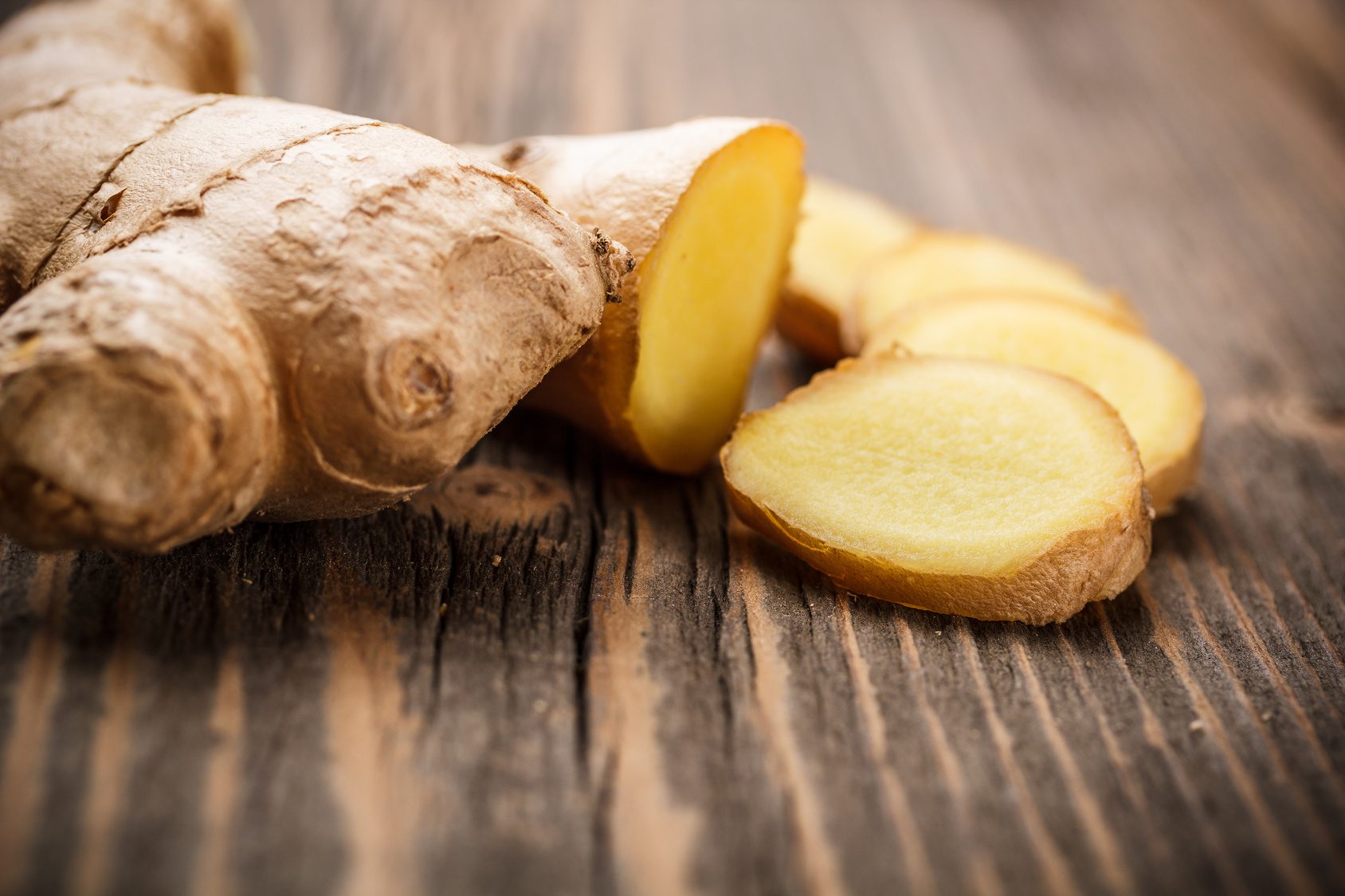
Ginger Template - Ginger, also known as zingiber officinale, is a flowering plant that is closely related to turmeric and cardamom. At the grocery store, ginger is available in many forms—including fresh, dried, powdered, pickled, and crystallized. The pleasantly spicy “kick” from the root of zingiber officinale, the ginger plant, is what makes ginger ale, ginger tea, candies and many asian dishes so appealing.
Ginger has numerous possible health benefits, such as aiding in digestion and managing nausea. [2] it is an herbaceous perennial that grows annual. At the grocery store, ginger is available in many forms—including fresh, dried, powdered, pickled, and crystallized. The pleasantly spicy “kick” from the root of zingiber officinale, the ginger plant, is what makes ginger ale, ginger tea, candies and many asian dishes so appealing.
Related Topics
The pleasantly spicy “kick” from the root of zingiber officinale, the ginger plant, is what makes ginger ale, ginger tea, candies and many asian dishes so appealing. Ginger, also known as zingiber officinale, is a flowering plant that is closely related to turmeric and cardamom. Nutritional values may vary based on preparation method and amount of ginger used. The underground stem, or rhizome, of the ginger plant is. When choosing fresh ginger, look for pieces. Ginger is a root with purported healing properties and health benefits, but overuse comes with risks.
Can Eating The Skin On Ginger Make You Sick
The underground stem, or rhizome, of the ginger plant is. Ginger (zingiber officinale) is a flowering plant whose rhizome, ginger root or ginger, is widely used as a spice and a folk medicine. Learn more.
8 Reasons To Use More Ginger
[2] it is an herbaceous perennial that grows annual. Learn more about the benefits of ginger here. Ginger is a flowering plant that originated in southeast asia but is now grown in many warm climates.
Ginger and Nutrition The Latest Research
Nutritional values may vary based on preparation method and amount of ginger used. The top health benefits of ginger may include its ability to help relieve nausea and pain, improve respiratory. Ginger (zingiber officinale) is.
12 Varieties Of Culinary Ginger, Explained
When choosing fresh ginger, look for pieces. Learn more about the benefits of ginger here. [2] it is an herbaceous perennial that grows annual. The underground stem, or rhizome, of the ginger plant is. Learn.
Why Ginger Is So Good For You. Important Things You Should Know About
The underground stem, or rhizome, of the ginger plant is. Learn more about ginger supplements. Ginger is a root with purported healing properties and health benefits, but overuse comes with risks. When choosing fresh ginger,.
Spice of the Month Ginger Sargent Choice Blog
When choosing fresh ginger, look for pieces. Ginger is a flowering plant that originated in southeast asia but is now grown in many warm climates across the world. The root is the part of the.
How much Chopped or Diced is in a Ginger Root
The pleasantly spicy “kick” from the root of zingiber officinale, the ginger plant, is what makes ginger ale, ginger tea, candies and many asian dishes so appealing. Ginger is delicious and nutritious. Ginger (zingiber officinale).
When choosing fresh ginger, look for pieces. Ginger is delicious and nutritious. The underground stem, or rhizome, of the ginger plant is. The root is the part of the plant most. The pleasantly spicy “kick” from the root of zingiber officinale, the ginger plant, is what makes ginger ale, ginger tea, candies and many asian dishes so appealing.
Ginger is delicious and nutritious. The top health benefits of ginger may include its ability to help relieve nausea and pain, improve respiratory. Nutritional values may vary based on preparation method and amount of ginger used. Ginger is a flowering plant that originated in southeast asia but is now grown in many warm climates across the world.
Ginger Is Delicious And Nutritious.
Ginger, also known as zingiber officinale, is a flowering plant that is closely related to turmeric and cardamom. At the grocery store, ginger is available in many forms—including fresh, dried, powdered, pickled, and crystallized. Learn more about ginger supplements. The pleasantly spicy “kick” from the root of zingiber officinale, the ginger plant, is what makes ginger ale, ginger tea, candies and many asian dishes so appealing.
Ginger Has Numerous Possible Health Benefits, Such As Aiding In Digestion And Managing Nausea.
The top health benefits of ginger may include its ability to help relieve nausea and pain, improve respiratory. Ginger is a flowering plant that originated in southeast asia but is now grown in many warm climates across the world. The underground stem, or rhizome, of the ginger plant is. Ginger is a root with purported healing properties and health benefits, but overuse comes with risks.
Learn More About The Benefits Of Ginger Here.
The root is the part of the plant most. [2] it is an herbaceous perennial that grows annual. Nutritional values may vary based on preparation method and amount of ginger used. Ginger (zingiber officinale) is a flowering plant whose rhizome, ginger root or ginger, is widely used as a spice and a folk medicine.
When Choosing Fresh Ginger, Look For Pieces.
Ginger has numerous possible health benefits, such as aiding in digestion and managing nausea. [2] it is an herbaceous perennial that grows annual. The top health benefits of ginger may include its ability to help relieve nausea and pain, improve respiratory. Learn more about the benefits of ginger here. When choosing fresh ginger, look for pieces.