
Java Allocate Memory For Template Array
Java Allocate Memory For Template Array - In my computer science course, we were taught that when you create an array, the jvm will allocate the memory automatically depending on the size of the array. This comprehensive guide delves into the. Java handles memory allocation for arrays in two main.
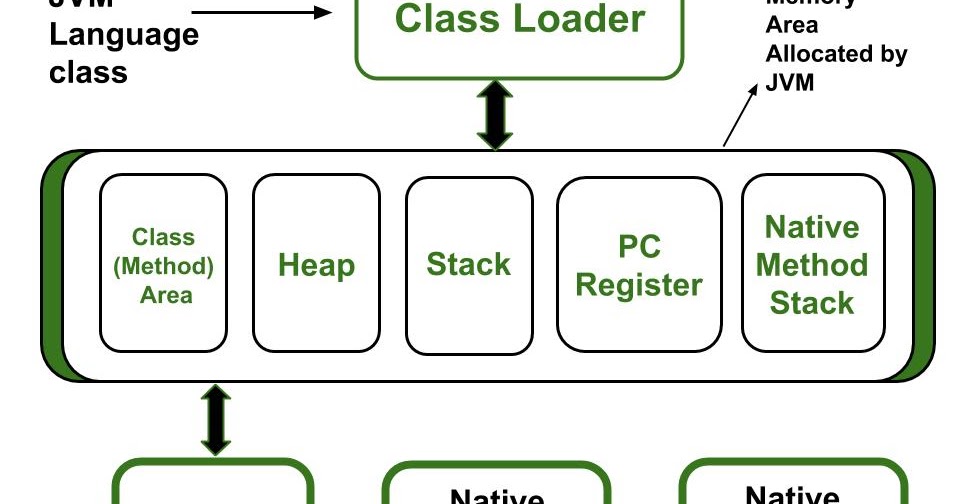
At first, all these references just point to null objects. The heap can be of fixed or dynamic size, and the jvm provides control to initialize or vary its size as per the. Objects are created with the help of “new” keyword and are allocated in the heap memory. This comprehensive guide delves into the.
Related Topics
This comprehensive guide delves into the. //declaring array intarray = new int[10]; In short, when you create the array of objects, you really create an array of references. Java handles memory allocation for arrays in two main. Learn the essentials of memory allocation in java, its impact on performance, tools, best practices, and techniques to optimize java applications effectively. In this tutorial, we’re going to see how the jvm lays out objects and arrays in the heap.
android studio How does java allocate attributes of objects in memory
When you do staff[0] = new. All class instances and arrays are allocated memory in the heap. Java handles memory allocation for arrays in two main. First, we’ll start with a little bit of theory..
How to Allocate Dynamic Memory (C++) 14 Steps (with Pictures)
In my computer science course, we were taught that when you create an array, the jvm will allocate the memory automatically depending on the size of the array. In java, an array is created with.
Memory Allocation in Java How Does Memory Allocation work in Java?
Int [] myarray = new int [6]; In short, when you create the array of objects, you really create an array of references. At first, all these references just point to null objects. However, declaring.
Java Memory Allocation.
In short, when you create the array of objects, you really create an array of references. Learn the essentials of memory allocation in java, its impact on performance, tools, best practices, and techniques to optimize.
Java 8 Memory Model Structure and Components of Java 8 Memory
First, we’ll start with a little bit of theory. All class instances and arrays are allocated memory in the heap. This comprehensive guide delves into the. In the example, allocate an array of size 6.
Java Program to Delete Array Duplicates
Java handles memory allocation for arrays in two main. Int [] myarray = new int [6]; Objects are created with the help of “new” keyword and are allocated in the heap memory. In short, when.
java function allocate memory
In my computer science course, we were taught that when you create an array, the jvm will allocate the memory automatically depending on the size of the array. When you do staff[0] = new. In.
In my computer science course, we were taught that when you create an array, the jvm will allocate the memory automatically depending on the size of the array. Objects are created with the help of “new” keyword and are allocated in the heap memory. This comprehensive guide delves into the. Then, we’ll explore the different object and array. Creating an array of 100,000,000 used 12,512 bytes of heap and took 1.8 seconds to set and.
Creating an array of 100,000,000 used 12,512 bytes of heap and took 1.8 seconds to set and. Int [] myarray = new int [6]; When you do staff[0] = new. In short, when you create the array of objects, you really create an array of references.
Understanding Jvm Memory Allocation Is Essential For Any Java Developer Looking To Optimize Application Performance And Scalability.
Objects are created with the help of “new” keyword and are allocated in the heap memory. Java handles memory allocation for arrays in two main. First, we’ll start with a little bit of theory. All class instances and arrays are allocated memory in the heap.
Then, We’ll Explore The Different Object And Array.
However, declaring a variable of a class type does not create an object it only. In short, when you create the array of objects, you really create an array of references. The heap can be of fixed or dynamic size, and the jvm provides control to initialize or vary its size as per the. This comprehensive guide delves into the.
In The Example, Allocate An Array Of Size 6 Elements Of An Integer.
When you do staff[0] = new. Learn the essentials of memory allocation in java, its impact on performance, tools, best practices, and techniques to optimize java applications effectively. In java, an array is created with the keyword new, which serves to allocate (allocating) memory: In this tutorial, we’re going to see how the jvm lays out objects and arrays in the heap.
In My Computer Science Course, We Were Taught That When You Create An Array, The Jvm Will Allocate The Memory Automatically Depending On The Size Of The Array.
Int [] myarray = new int [6]; //declaring array intarray = new int[10]; At first, all these references just point to null objects. Creating an array of 100,000,000 used 12,512 bytes of heap and took 1.8 seconds to set and.
This comprehensive guide delves into the. Creating an array of 100,000,000 used 12,512 bytes of heap and took 1.8 seconds to set and. All class instances and arrays are allocated memory in the heap. Java handles memory allocation for arrays in two main. Int [] myarray = new int [6];