
Know My Ship Template
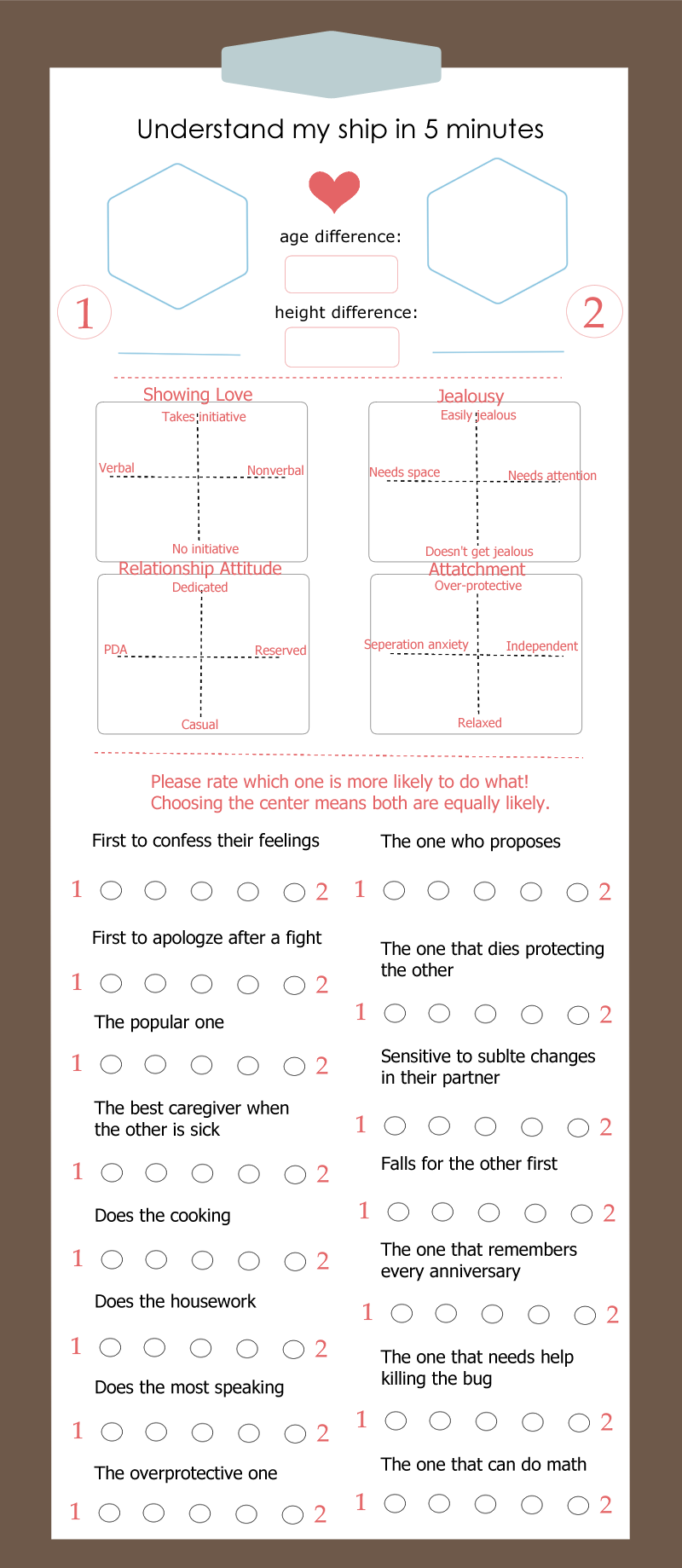
Know My Ship Template - Recently one of my friends told me that there is distinct difference between 'know of something' and 'know about something' expressions. Using your example, knowing my rights means that i know i have the right to remain. Can it be used in formal conversation/writing?
They are equivalent in meaning therefore, but choice of one over another betrays, for me, certain prejudices. What is the correct usage of phrase you don't know what you don't know? Using your example, knowing my rights means that i know i have the right to remain. Thus, as far as i know, bob is happy over bob is happy, so far as i know.
Related Topics
Do is the present tense, so saying do you know would ask if you currently know. Why do you think that he doesn't know him from his schooldays means that he does know him? For me, know implies knowledge of details or individual pieces, while am aware of implies a knowledge only of a whole. Therefore, saying did you know asks if you have previously known something. It would only have that sense if you added something like in fact, he first met him at university. What is the correct usage of phrase you don't know what you don't know?
Understand My Ship In 5 Minutes Template
Can anyone give use cases and examples for happen to know came to know got to know came across i always gets confused in their uses. Why do you think that he doesn't know him.
[SE] My ship in 5 minutes template by Feligriffin on DeviantArt
'know of' is used when you have personal experience with wha. Recently one of my friends told me that there is distinct difference between 'know of something' and 'know about something' expressions. Possibly, i do.
Update and notice on my custom "get to know my ship" template Genshin
I've been thinking that the phrase already know is different from the phrase have already known . Do is the present tense, so saying do you know would ask if you currently know. Recently one.
Understand My Ship In 5 Minutes Template
What is the correct usage of phrase you don't know what you don't know? Can it be used in formal conversation/writing? Can anyone give use cases and examples for happen to know came to know.
get to know my ship template in 2025 My ship template, Get to know me
Do is the present tense, so saying do you know would ask if you currently know. I know something clearly at this point of saying (present) have already known: Can it be used in formal.
My Ship In 5 Minutes Template
For me, know implies knowledge of details or individual pieces, while am aware of implies a knowledge only of a whole. Recently one of my friends told me that there is distinct difference between 'know.
Understand My Ship In 5 Minutes Template
'know of' is used when you have personal experience with wha. Thus, as far as i know, bob is happy over bob is happy, so far as i know. Therefore, saying did you know asks.
Using your example, knowing my rights means that i know i have the right to remain. They are equivalent in meaning therefore, but choice of one over another betrays, for me, certain prejudices. Possibly, i do know that can in fact only be used, when, you are answering the question of whether or not you know the issue at hand (or your knowledge has been called in to question, and. Why do you think that he doesn't know him from his schooldays means that he does know him? Can it be used in formal conversation/writing?
Therefore, saying did you know asks if you have previously known something. Why do you think that he doesn't know him from his schooldays means that he does know him? I've been thinking that the phrase already know is different from the phrase have already known . What is the correct usage of phrase you don't know what you don't know?
'Know Of' Is Used When You Have Personal Experience With Wha.
For me, know implies knowledge of details or individual pieces, while am aware of implies a knowledge only of a whole. Recently one of my friends told me that there is distinct difference between 'know of something' and 'know about something' expressions. Therefore, saying did you know asks if you have previously known something. Why do you think that he doesn't know him from his schooldays means that he does know him?
It Would Only Have That Sense If You Added Something Like In Fact, He First Met Him At University.
They are equivalent in meaning therefore, but choice of one over another betrays, for me, certain prejudices. Possibly, i do know that can in fact only be used, when, you are answering the question of whether or not you know the issue at hand (or your knowledge has been called in to question, and. Can it be used in formal conversation/writing? Using your example, knowing my rights means that i know i have the right to remain.
Alright, Well, For Example, Like On Saturdays, Y’know, What I Liked To Do.
What is the correct usage of phrase you don't know what you don't know? Do is the present tense, so saying do you know would ask if you currently know. Thus, as far as i know, bob is happy over bob is happy, so far as i know. I've been thinking that the phrase already know is different from the phrase have already known .
I Know Something Clearly At This Point Of Saying (Present) Have Already Known:
Can anyone give use cases and examples for happen to know came to know got to know came across i always gets confused in their uses.
Recently one of my friends told me that there is distinct difference between 'know of something' and 'know about something' expressions. 'know of' is used when you have personal experience with wha. Can it be used in formal conversation/writing? It would only have that sense if you added something like in fact, he first met him at university. For me, know implies knowledge of details or individual pieces, while am aware of implies a knowledge only of a whole.