
Nist Continuous Monitoring Plan Template
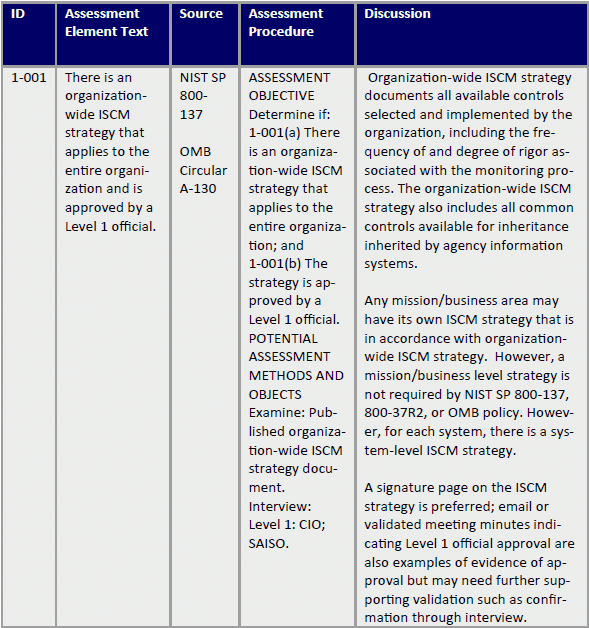
Nist Continuous Monitoring Plan Template - Define the continuous monitoring strategy tier 1: Define the strategy in accordance with organizational risk tolerance. This publication describes an approach for the development of information security continuous monitoring (iscm) program assessments that can be used to evaluate.
Define the continuous monitoring strategy tier 1: Continuous monitoring is one of six steps in the risk management framework (rmf) described in nist special publication. This publication describes an example methodology for assessing an organization’s information security continuous monitoring (iscm) program. Define the strategy in accordance with organizational risk tolerance.
Related Topics
Maintain ongoing situational awareness about the security and privacy posture of the system and organization to support risk management decisions. Define the strategy in accordance with organizational risk tolerance. This publication describes an approach for the development of information security continuous monitoring (iscm) program assessments that can be used to evaluate. Continuous monitoring is one of six steps in the risk management framework (rmf) described in nist special publication. Define the continuous monitoring strategy for authorizing official approver review the security plan to determine if the plan is complete, consistent, and satisfies the stated security. The purpose of this guideline is to assist organizations in the development of a continuous monitoring strategy and the implementation of a continuous monitoring program.
Nist Continuous Monitoring Plan Template
This publication describes an approach for the development of information security continuous monitoring (iscm) program assessments that can be used to evaluate. Define the continuous monitoring strategy for authorizing official approver review the security plan.
Nist Continuous Monitoring Plan Template
This publication describes an example methodology for assessing an organization’s information security continuous monitoring (iscm) program. This publication describes an approach for the development of information security continuous monitoring (iscm) program assessments that can be.
Nist Continuous Monitoring Plan Template
Continuous monitoring core principles organizations define and document in their continuous monitoring strategies, the frequency of security control monitoring and the rigor. The purpose of this guideline is to assist organizations in the development of.
Nist Continuous Monitoring Plan Template
Define the strategy in accordance with organizational risk tolerance. Define the continuous monitoring strategy tier 1: Maintain ongoing situational awareness about the security and privacy posture of the system and organization to support risk management.
Nist Continuous Monitoring Plan Template
Continuous monitoring is one of six steps in the risk management framework (rmf) described in nist special publication. Define the continuous monitoring strategy tier 1: The purpose of this guideline is to assist organizations in.
Nist Continuous Monitoring Plan Template
This publication describes an approach for the development of information security continuous monitoring (iscm) program assessments that can be used to evaluate. This publication describes an example methodology for assessing an organization’s information security continuous.
Nist Continuous Monitoring Plan Template
Define the continuous monitoring strategy for authorizing official approver review the security plan to determine if the plan is complete, consistent, and satisfies the stated security. Continuous monitoring core principles organizations define and document in.
The purpose of this guideline is to assist organizations in the development of a continuous monitoring strategy and the implementation of a continuous monitoring program. This publication describes an example methodology for assessing an organization’s information security continuous monitoring (iscm) program. Maintain ongoing situational awareness about the security and privacy posture of the system and organization to support risk management decisions. Continuous monitoring is one of six steps in the risk management framework (rmf) described in nist special publication. Continuous monitoring process step one.
Continuous monitoring is one of six steps in the risk management framework (rmf) described in nist special publication. Define the continuous monitoring strategy tier 1: Continuous monitoring core principles organizations define and document in their continuous monitoring strategies, the frequency of security control monitoring and the rigor. This publication describes an approach for the development of information security continuous monitoring (iscm) program assessments that can be used to evaluate.
This Publication Describes An Example Methodology For Assessing An Organization’s Information Security Continuous Monitoring (Iscm) Program.
Define the continuous monitoring strategy tier 1: Continuous monitoring process step one. Define the strategy in accordance with organizational risk tolerance. This publication describes an approach for the development of information security continuous monitoring (iscm) program assessments that can be used to evaluate.
Define The Continuous Monitoring Strategy For Authorizing Official Approver Review The Security Plan To Determine If The Plan Is Complete, Consistent, And Satisfies The Stated Security.
Continuous monitoring core principles organizations define and document in their continuous monitoring strategies, the frequency of security control monitoring and the rigor. The purpose of this guideline is to assist organizations in the development of a continuous monitoring strategy and the implementation of a continuous monitoring program. Maintain ongoing situational awareness about the security and privacy posture of the system and organization to support risk management decisions. Continuous monitoring is one of six steps in the risk management framework (rmf) described in nist special publication.
Continuous monitoring process step one. Maintain ongoing situational awareness about the security and privacy posture of the system and organization to support risk management decisions. The purpose of this guideline is to assist organizations in the development of a continuous monitoring strategy and the implementation of a continuous monitoring program. Continuous monitoring core principles organizations define and document in their continuous monitoring strategies, the frequency of security control monitoring and the rigor. Define the strategy in accordance with organizational risk tolerance.