
Plain Business Card Template Word
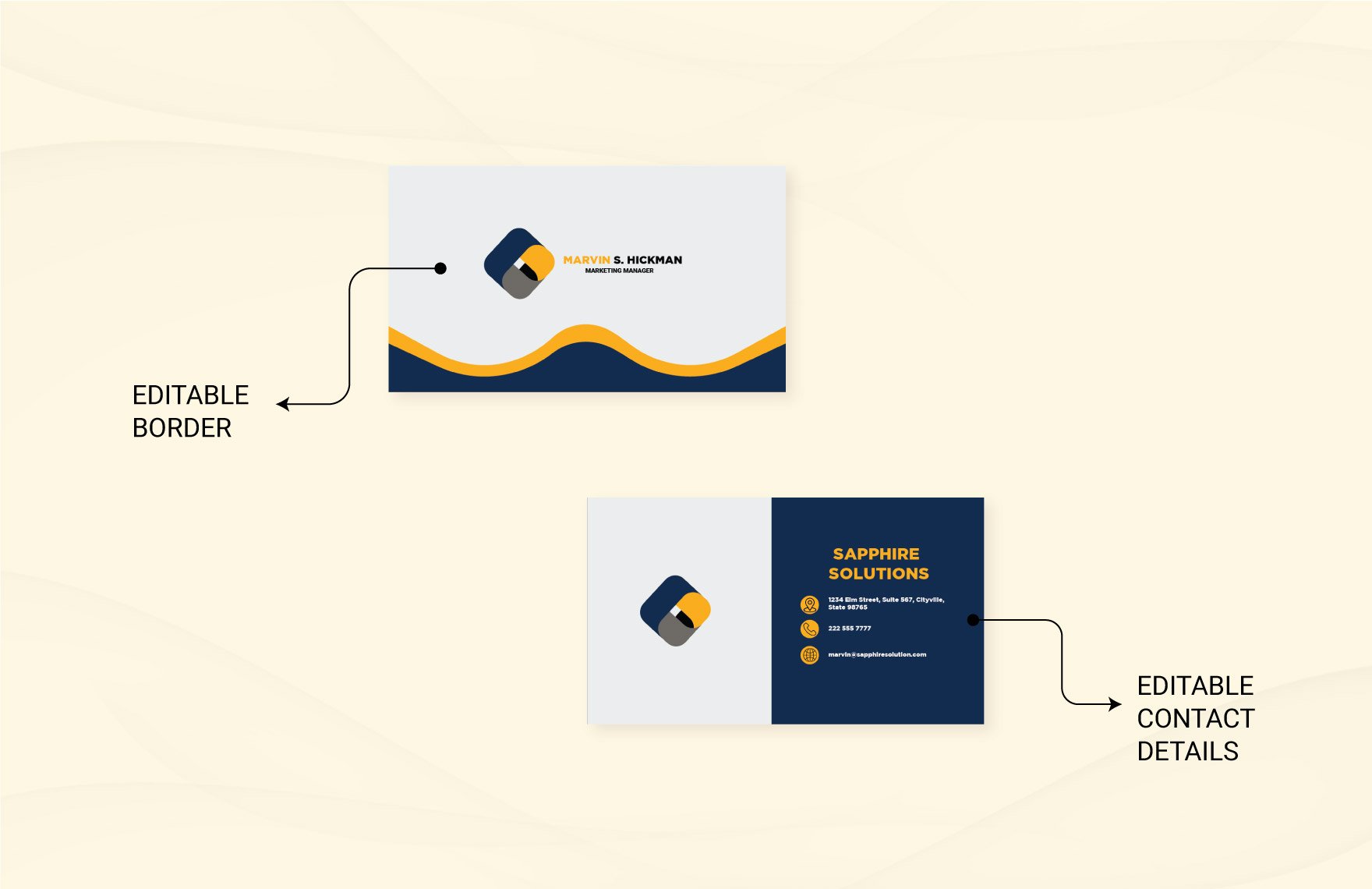
Plain Business Card Template Word - From latin pl ā num (“ flat surface ”), a noun use of the neuter of pl ā nus (“ plain ”). She decorated the room plainly but neatly. The word was introduced in the 17th century to distinguish the geometrical senses from the other senses of plain.
The word was introduced in the 17th century to distinguish the geometrical senses from the other senses of plain. 副詞 plainly (comparative plainlier or more plainly, superlative plainliest or most plainly) in a plain manner; From latin pl ā num (“ flat surface ”), a noun use of the neuter of pl ā nus (“ plain ”). She decorated the room plainly but neatly.
Related Topics
副詞 plainly (comparative plainlier or more plainly, superlative plainliest or most plainly) in a plain manner; From latin pl ā num (“ flat surface ”), a noun use of the neuter of pl ā nus (“ plain ”). The word was introduced in the 17th century to distinguish the geometrical senses from the other senses of plain. She decorated the room plainly but neatly.
Plain Business Card Template in Word Download
The word was introduced in the 17th century to distinguish the geometrical senses from the other senses of plain. She decorated the room plainly but neatly. 副詞 plainly (comparative plainlier or more plainly, superlative plainliest.
Plain Business Card Template Word
副詞 plainly (comparative plainlier or more plainly, superlative plainliest or most plainly) in a plain manner; She decorated the room plainly but neatly. From latin pl ā num (“ flat surface ”), a noun use.
Blank Business Card Template Word Edutechspot
The word was introduced in the 17th century to distinguish the geometrical senses from the other senses of plain. From latin pl ā num (“ flat surface ”), a noun use of the neuter of.
Business Card Word Template in Word, PDF Download
She decorated the room plainly but neatly. 副詞 plainly (comparative plainlier or more plainly, superlative plainliest or most plainly) in a plain manner; The word was introduced in the 17th century to distinguish the geometrical.
副詞 plainly (comparative plainlier or more plainly, superlative plainliest or most plainly) in a plain manner; From latin pl ā num (“ flat surface ”), a noun use of the neuter of pl ā nus.
Plain Business Card Template Word
She decorated the room plainly but neatly. The word was introduced in the 17th century to distinguish the geometrical senses from the other senses of plain. From latin pl ā num (“ flat surface ”),.
Plain Business Card Template in Word Download
The word was introduced in the 17th century to distinguish the geometrical senses from the other senses of plain. 副詞 plainly (comparative plainlier or more plainly, superlative plainliest or most plainly) in a plain manner;.
She decorated the room plainly but neatly. From latin pl ā num (“ flat surface ”), a noun use of the neuter of pl ā nus (“ plain ”). 副詞 plainly (comparative plainlier or more plainly, superlative plainliest or most plainly) in a plain manner; The word was introduced in the 17th century to distinguish the geometrical senses from the other senses of plain.
副詞 plainly (comparative plainlier or more plainly, superlative plainliest or most plainly) in a plain manner; She decorated the room plainly but neatly. From latin pl ā num (“ flat surface ”), a noun use of the neuter of pl ā nus (“ plain ”). The word was introduced in the 17th century to distinguish the geometrical senses from the other senses of plain.
副詞 Plainly (Comparative Plainlier Or More Plainly, Superlative Plainliest Or Most Plainly) In A Plain Manner;
The word was introduced in the 17th century to distinguish the geometrical senses from the other senses of plain. She decorated the room plainly but neatly. From latin pl ā num (“ flat surface ”), a noun use of the neuter of pl ā nus (“ plain ”).
She decorated the room plainly but neatly. 副詞 plainly (comparative plainlier or more plainly, superlative plainliest or most plainly) in a plain manner; From latin pl ā num (“ flat surface ”), a noun use of the neuter of pl ā nus (“ plain ”). The word was introduced in the 17th century to distinguish the geometrical senses from the other senses of plain.