
Postpartum Hemorrhage System Disorder Template
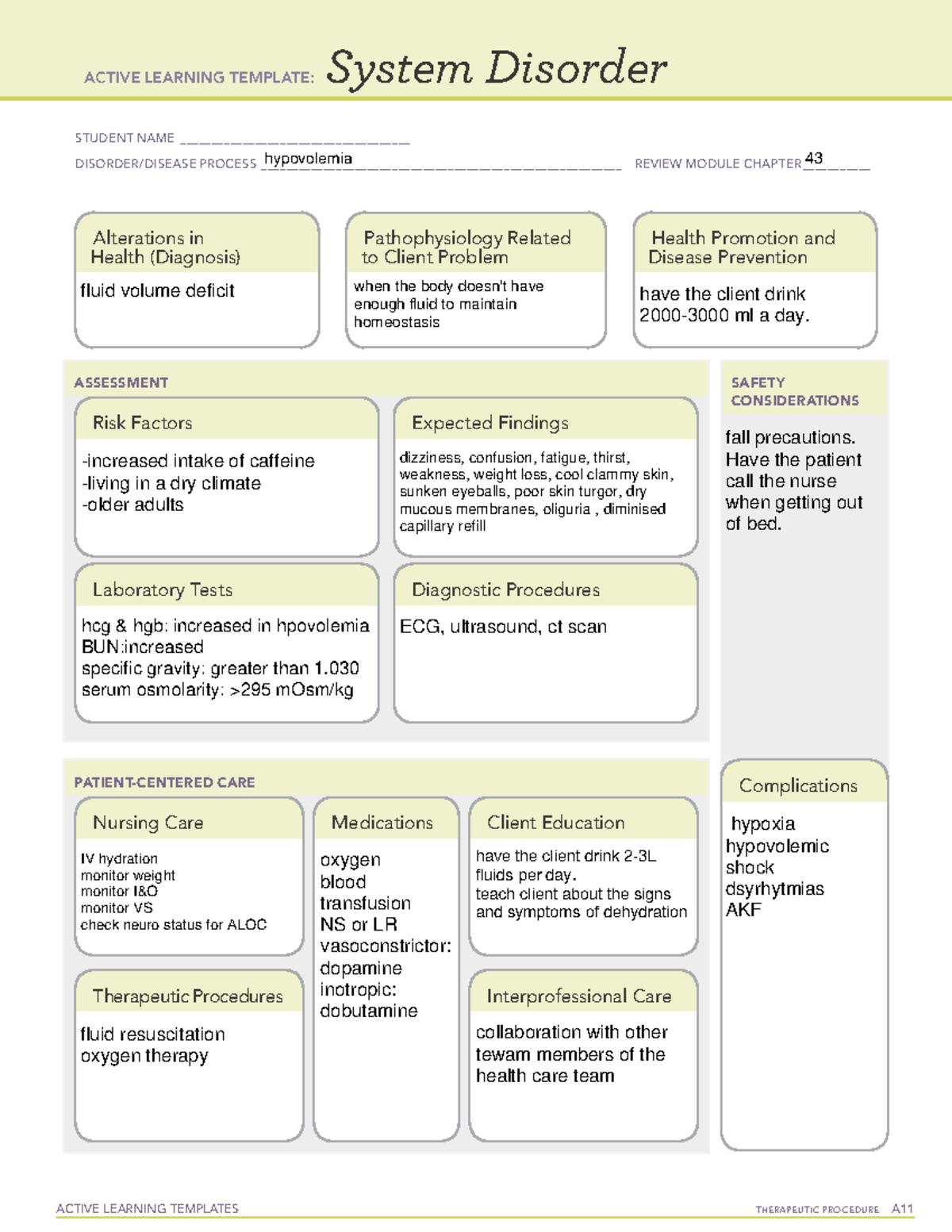
Postpartum Hemorrhage System Disorder Template - It may lead to shock and death if not treated. Quality of life (qol) for postpartum women. The postpartum period is a sensitive period in a woman’s life, characterized by significant physical, emotional and social changes.
Care for a client experiencing postpartum hemorrhage (r/t uterine atony) 2. The postpartum period is a sensitive period in a woman’s life, characterized by significant physical, emotional and social changes. Losing lots of blood quickly can cause a severe drop in your blood pressure. • monitor vitals • monitor bleeding source.
Related Topics
G2p1, 38 weeks’ gestation, admitted for. Limit physical activity to conserve strength and to increase iron and protein to. View postpartum hemorrhage system disorder.pdf from nip 100 at owensboro community and technical college. Learn how to identify and manage pph, a leading cause of maternal mortality. Losing lots of blood quickly can cause a severe drop in your blood pressure. Quality of life (qol) for postpartum women.
POST Partum Hemorrhage System Disorder NUR201 Cincinnati State
Quality of life (qol) for postpartum women. Heavy bleeding after the birth of your baby. Postpartum hemorrhage firmly massage the uterine fundus, closely monitor vital signs, assess for source of bleeding, estimated blood loss from.
Postpartum Hemorrhage System Disorder Template, Web it's a serious but
Postpartum hemorrhage (pph) is the most common problem in pregnancy, and is the leading cause of severe maternal morbidity and preventable mortality. Provide emotional support to patient. Unlock the complexities of postpartum hemorrhage (pph) with.
Postpartum Hemorrhage System Disorder Template prntbl
The postpartum period is a sensitive period in a woman’s life, characterized by significant physical, emotional and social changes. Perform nursing interventions for patient experiencing pph 3. • monitor vitals • monitor bleeding source. G2p1,.
Postpartum Hemorrhage System Disorder Template
O palpate fundus for height, firmness, and location. Perform nursing interventions for patient experiencing pph 3. Heavy bleeding after the birth of your baby. Start by identifying postpartum hemorrhage (pph) as an obstetric emergency characterized.
Postpartum Hemorrhage System Disorder Template prntbl
Provide emotional support to patient. Perform nursing interventions for patient experiencing pph 3. O palpate fundus for height, firmness, and location. Losing lots of blood quickly can cause a severe drop in your blood pressure..
Postpartum Hemorrhage Ati Template
Start by identifying postpartum hemorrhage (pph) as an obstetric emergency characterized by excessive bleeding after childbirth, either a blood loss of 500ml or more after a vaginal delivery. Losing lots of blood quickly can cause.
Postpartum Hemorrhage System Disorder Template
Perform nursing interventions for patient experiencing pph 3. Losing lots of blood quickly can cause a severe drop in your blood pressure. If boggy, assist client to bathroom, massage fundus to increase contraction. The postpartum.
If boggy, assist client to bathroom, massage fundus to increase contraction. View postpartum hemorrhage system disorder.pdf from nip 100 at owensboro community and technical college. O palpate fundus for height, firmness, and location. The postpartum period is a sensitive period in a woman’s life, characterized by significant physical, emotional and social changes. Unlock the complexities of postpartum hemorrhage (pph) with the ati system disorder template.
Quality of life (qol) for postpartum women. Limit physical activity to conserve strength and to increase iron and protein to. View postpartum hemorrhage system disorder.pdf from nip 100 at owensboro community and technical college. Standard precautions including washing hands before and after interacting with patient.
Postpartum Hemorrhage Firmly Massage The Uterine Fundus, Closely Monitor Vital Signs, Assess For Source Of Bleeding, Estimated Blood Loss From Weighing Saturated Products And Free Blood.
Postpartum hemorrhage firmly massage the uterine fundus, closely monitor vital signs, assess for source of bleeding, estimated blood loss from weighing saturated products and free blood. Postpartum hemorrhage (pph) is the most common problem in pregnancy, and is the leading cause of severe maternal morbidity and preventable mortality. O palpate fundus for height, firmness, and location. Perform nursing interventions for patient experiencing pph 3.
Use Of A Uterotonic Drug Immediately After The Delivery Of The Newborn Is One Of The Most Important Interventions To Prevent Pph.
G2p1, 38 weeks’ gestation, admitted for. If boggy, assist client to bathroom, massage fundus to increase contraction. Start by identifying postpartum hemorrhage (pph) as an obstetric emergency characterized by excessive bleeding after childbirth, either a blood loss of 500ml or more after a vaginal delivery. The postpartum period is a sensitive period in a woman’s life, characterized by significant physical, emotional and social changes.
Heavy Bleeding After The Birth Of Your Baby.
Provide emotional support to patient. Care for a client experiencing postpartum hemorrhage (r/t uterine atony) 2. Learn how to identify and manage pph, a leading cause of maternal mortality. View postpartum hemorrhage system disorder.pdf from nip 100 at owensboro community and technical college.
It May Lead To Shock And Death If Not Treated.
• monitor vitals • monitor bleeding source. Unlock the complexities of postpartum hemorrhage (pph) with the ati system disorder template. Losing lots of blood quickly can cause a severe drop in your blood pressure. Limit physical activity to conserve strength and to increase iron and protein to.
Heavy bleeding after the birth of your baby. Start by identifying postpartum hemorrhage (pph) as an obstetric emergency characterized by excessive bleeding after childbirth, either a blood loss of 500ml or more after a vaginal delivery. Use of a uterotonic drug immediately after the delivery of the newborn is one of the most important interventions to prevent pph. Learn how to identify and manage pph, a leading cause of maternal mortality. Perform nursing interventions for patient experiencing pph 3.