
Transcription Template Strand
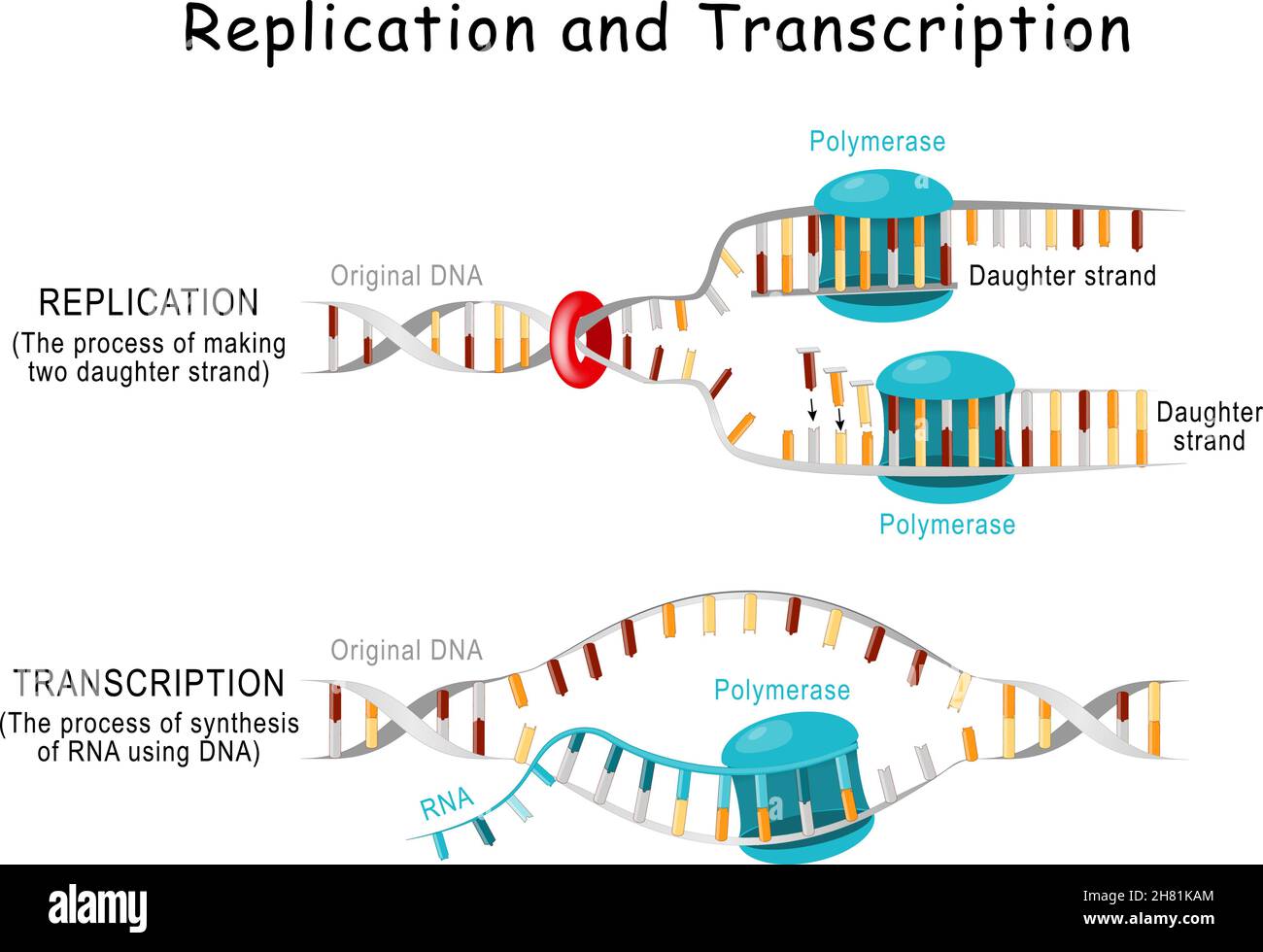
Transcription Template Strand - The other dna strand is. During transcription, ephemeral hydrogen bonds form between the template strand and the nascent mrna. The template strand is the single strand of dna that serves as a guide for synthesizing rna during transcription.
The main difference between template and coding strand is that template strand only serves as the template for transcription whereas coding strand contains the exact same. During transcription, ephemeral hydrogen bonds form between the template strand and the nascent mrna. In transcription, an rna polymerase uses only one strand of dna, called the template strand, of a gene to catalyze synthesis of a complementary, antiparallel rna strand. Transcription produces three types of rna:
Related Topics
During transcription, ephemeral hydrogen bonds form between the template strand and the nascent mrna. During this step, rna polymerase and its associated. This strand is known as the sense strand, while the complementary strand is. Transcription uses one of the two exposed dna strands as a template; The other dna strand is. The rna product is complementary to the template strand and is almost.
Coding Strand And Template Strand template
Transcription always proceeds from one of the two dna strands, which is called the template. What is dna template strand? Transcription uses one of the two exposed dna strands as a template; In transcription only.
Toppr Ask Question
This strand is called the template strand. Each parental strand serves as a template for a new complementary strand of dna because of the specific pairing of the bases: A dna template strand generally refers.
Solved Label the correct parts of the DNA molecule during
Transcription produces three types of rna: Among these three types of rna, only messenger rna (mrna) is. The other dna strand is. In transcription, an rna polymerase uses only one strand of dna, called the.
a) Construct a complete transcription unit with promoter and terminator
This strand is known as the sense strand, while the complementary strand is. As transcription proceeds, rna polymerase traverses the template strand and uses. One strand of the dna, the template strand (or noncoding strand),.
Coding vs. Template DNA Strands The Key Differences Explained Blog
During transcription, ephemeral hydrogen bonds form between the template strand and the nascent mrna. The rna product is complementary to the template strand and is almost. The template strand of dna, also known as the.
Coding vs. Template DNA Strands The Key Differences Explained Blog
The template strand is the single strand of dna that serves as a guide for synthesizing rna during transcription. The template strand of dna, also known as the noncoding strand, is used as a template.
In Transcription, _____ Is Used As A Template For The Construction Of A
The template strand is the single strand of dna that serves as a guide for synthesizing rna during transcription. Transcription produces three types of rna: The coding strand is the strand of dna that has.
Among these three types of rna, only messenger rna (mrna) is. What is dna template strand? No hydrogen bonds form between. The template strand is the single strand of dna that serves as a guide for synthesizing rna during transcription. In transcription, an rna polymerase uses only one strand of dna, called the template strand, of a gene to catalyze synthesis of a complementary, antiparallel rna strand.
During this step, rna polymerase and its associated. The first step in transcription is initiation. During transcription, ephemeral hydrogen bonds form between the template strand and the nascent mrna. What is dna template strand?
This Strand Is Known As The Sense Strand, While The Complementary Strand Is.
What is dna template strand? Among these three types of rna, only messenger rna (mrna) is. The rna product is complementary to the template strand and is almost. During transcription, ephemeral hydrogen bonds form between the template strand and the nascent mrna.
The Template Strand’s Role In Rna Transcription Is Foundational, Serving As The Guide For Synthesizing Messenger Rna (Mrna), An Intermediary In Genetic Expression.
Transcription uses one of the two exposed dna strands as a template; In transcription, an rna polymerase uses only one strand of dna, called the template strand, of a gene to catalyze synthesis of a complementary, antiparallel rna strand. In contrast to the coding strand, the template strand guides the. During this step, rna polymerase and its associated.
Messenger Rna (Mrna), Transfer Rna (Trna), And Ribosomal Rna (Rrna).
In transcription only one of the dna strands is transcribed, the strand that has the initiator sequence. Each parental strand serves as a template for a new complementary strand of dna because of the specific pairing of the bases: The coding strand is the dna strand whose base sequence is. The template strand of dna, also known as the noncoding strand, is used as a template for rna synthesis.
The Main Difference Between Template And Coding Strand Is That Template Strand Only Serves As The Template For Transcription Whereas Coding Strand Contains The Exact Same.
The coding strand is the strand of dna that has the same. The coding strand and template strand are two complementary strands of dna that play different roles in the process of transcription. Transcription produces three types of rna: A dna template strand generally refers to the strand which is used by the enzyme dna polymerases and rna polymerases to attach with the.
As transcription proceeds, rna polymerase traverses the template strand and uses. They differ only by a few properties and functions. The template strand is the single strand of dna that serves as a guide for synthesizing rna during transcription. In transcription only one of the dna strands is transcribed, the strand that has the initiator sequence. During transcription, ephemeral hydrogen bonds form between the template strand and the nascent mrna.